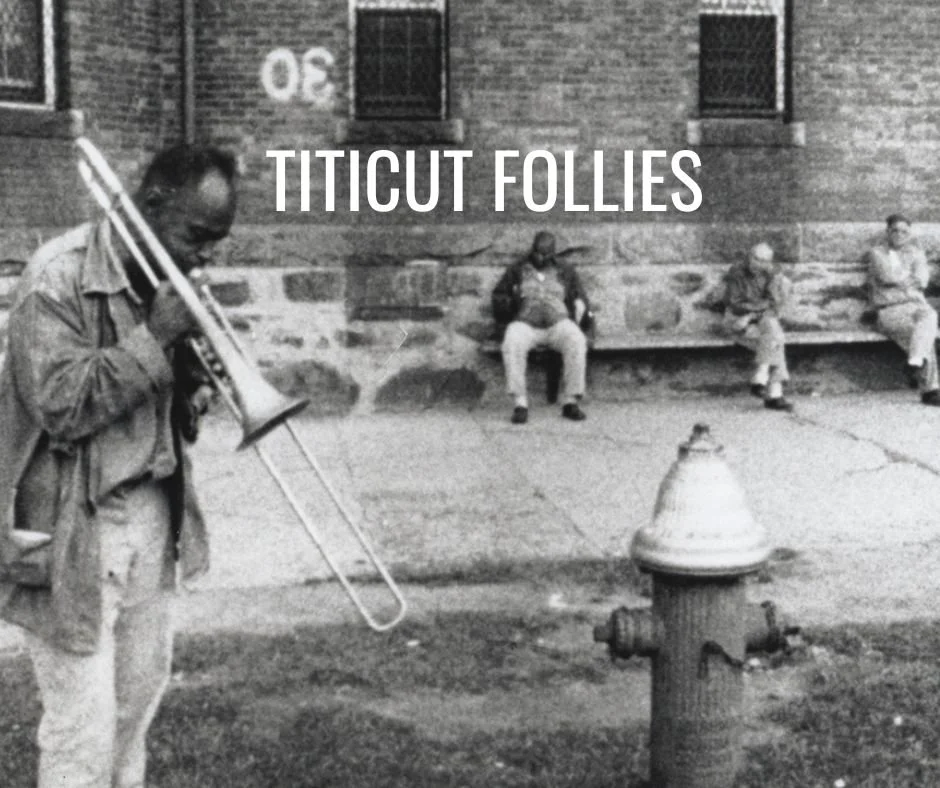
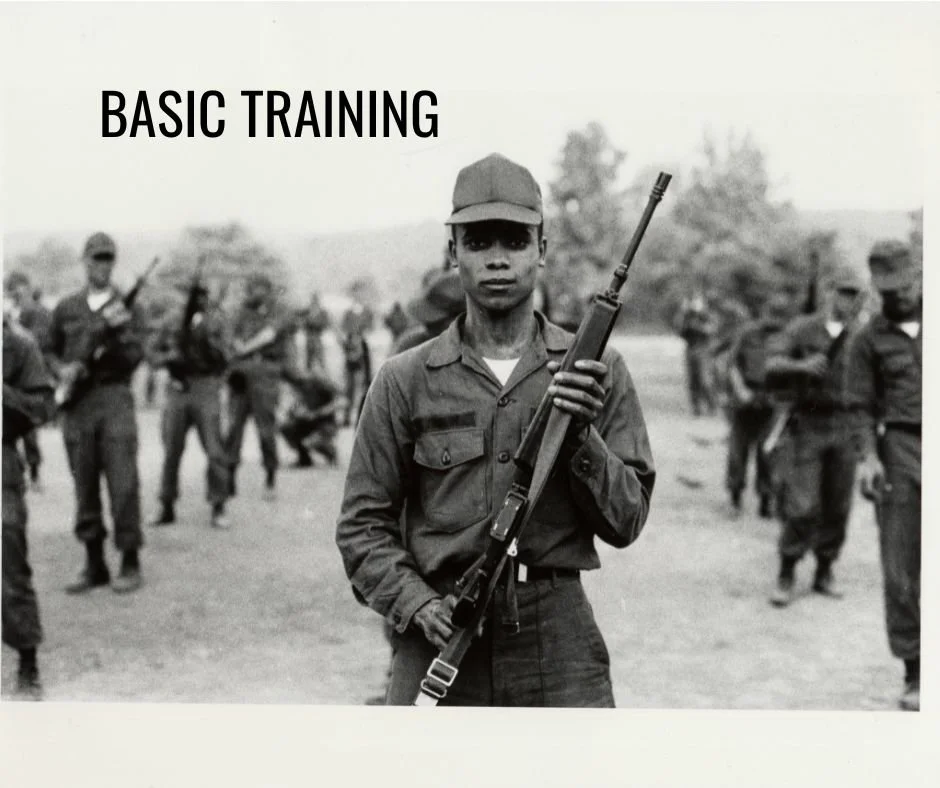
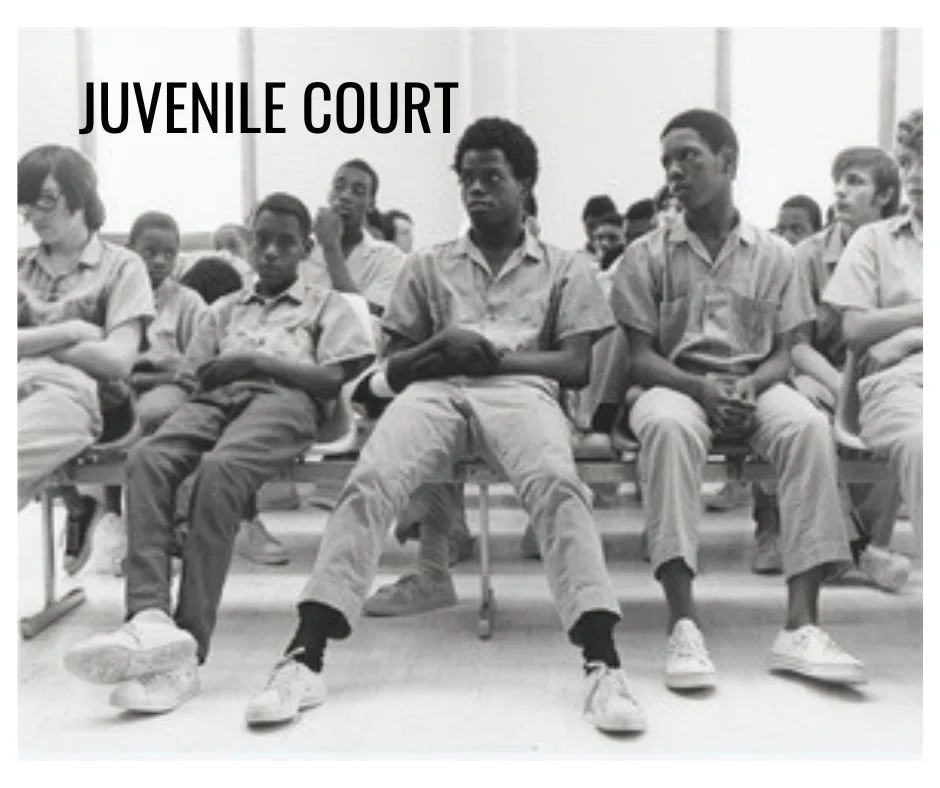
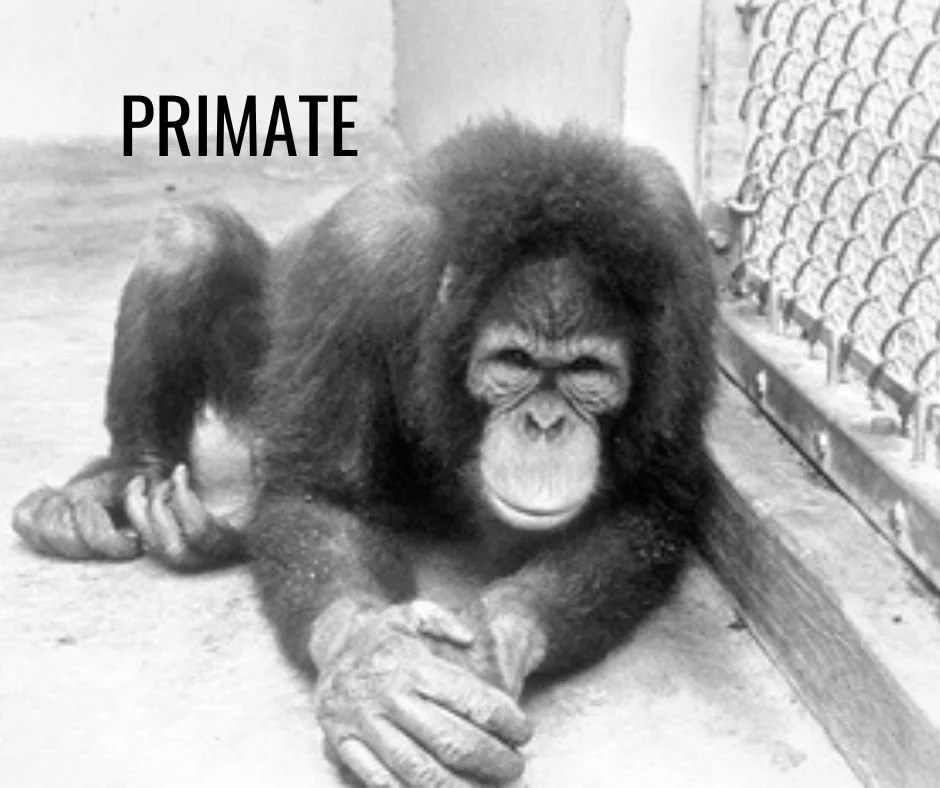
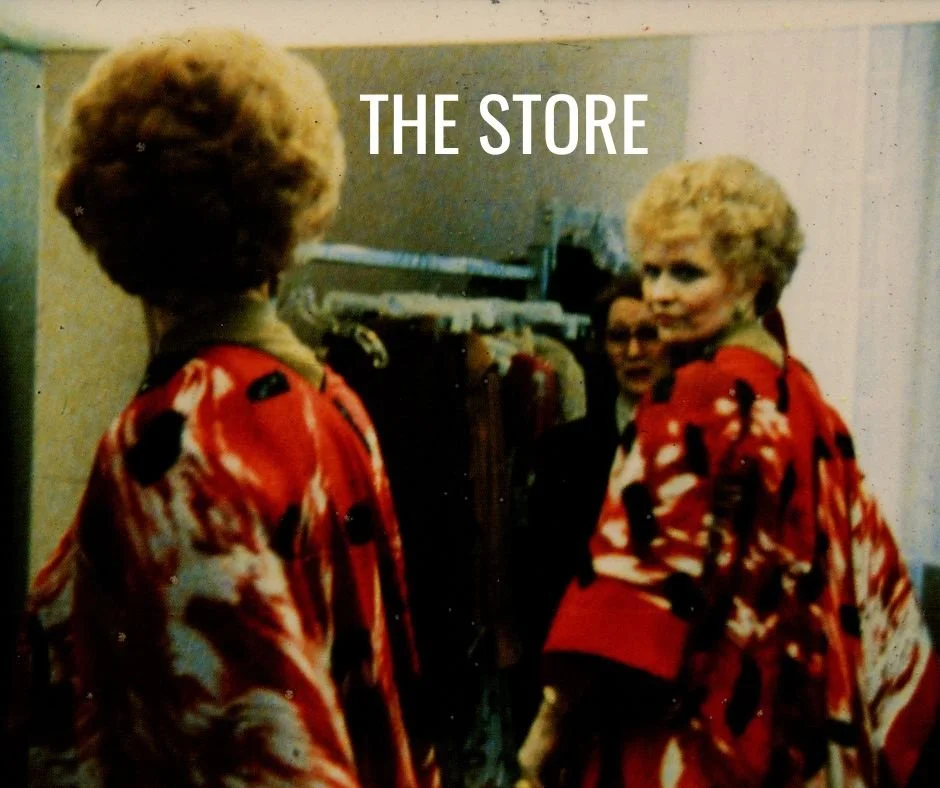
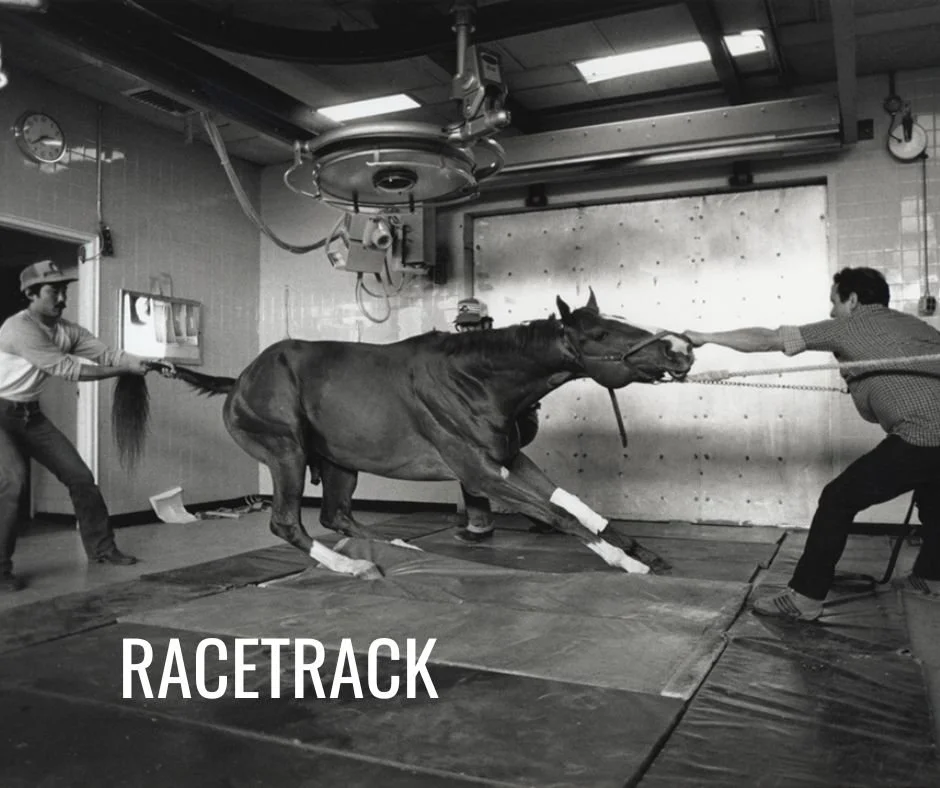
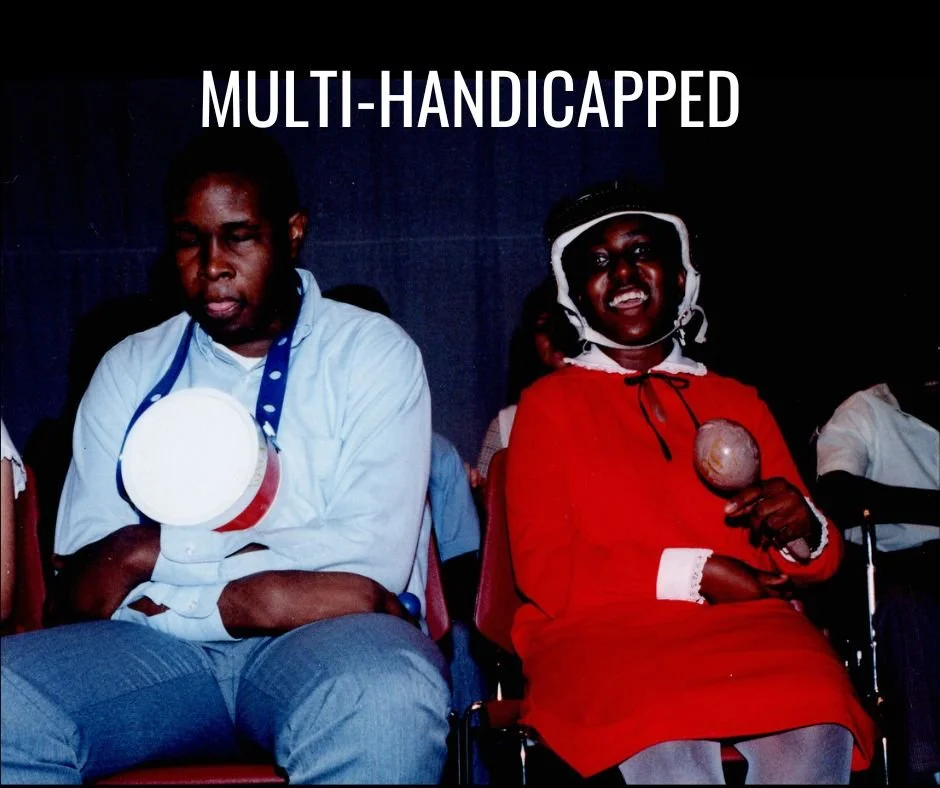
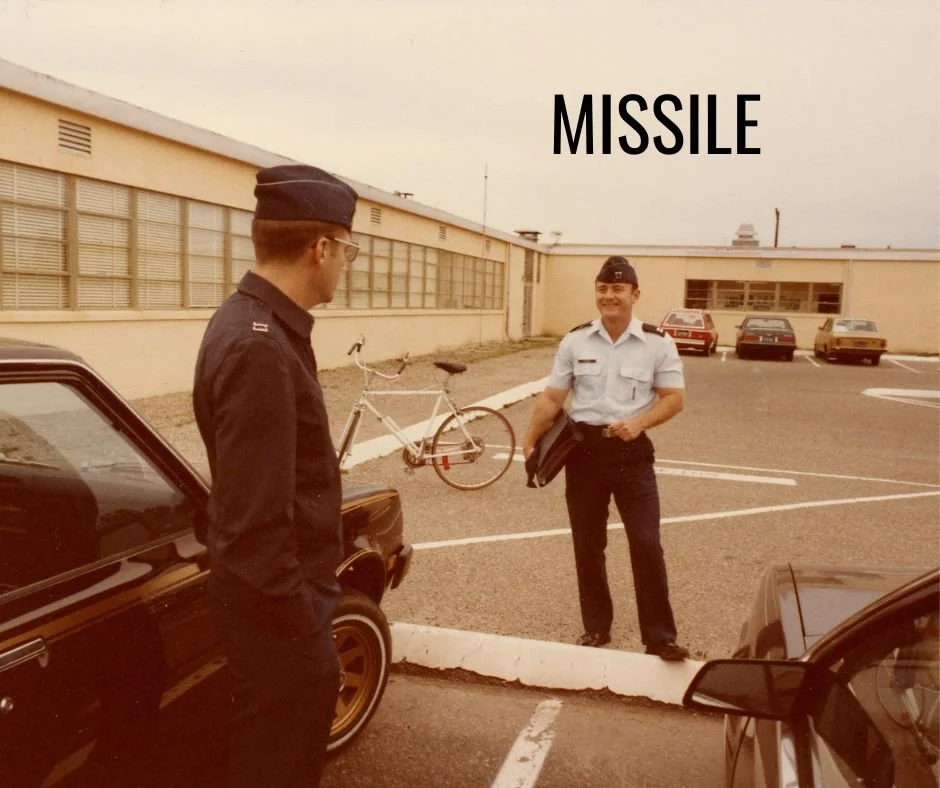
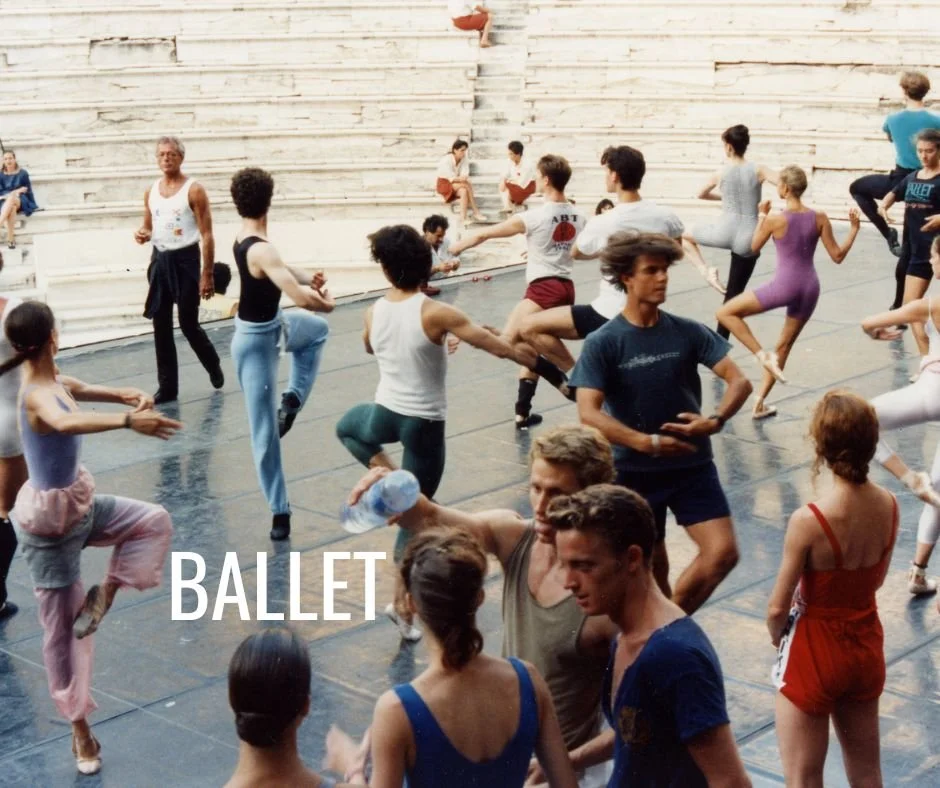
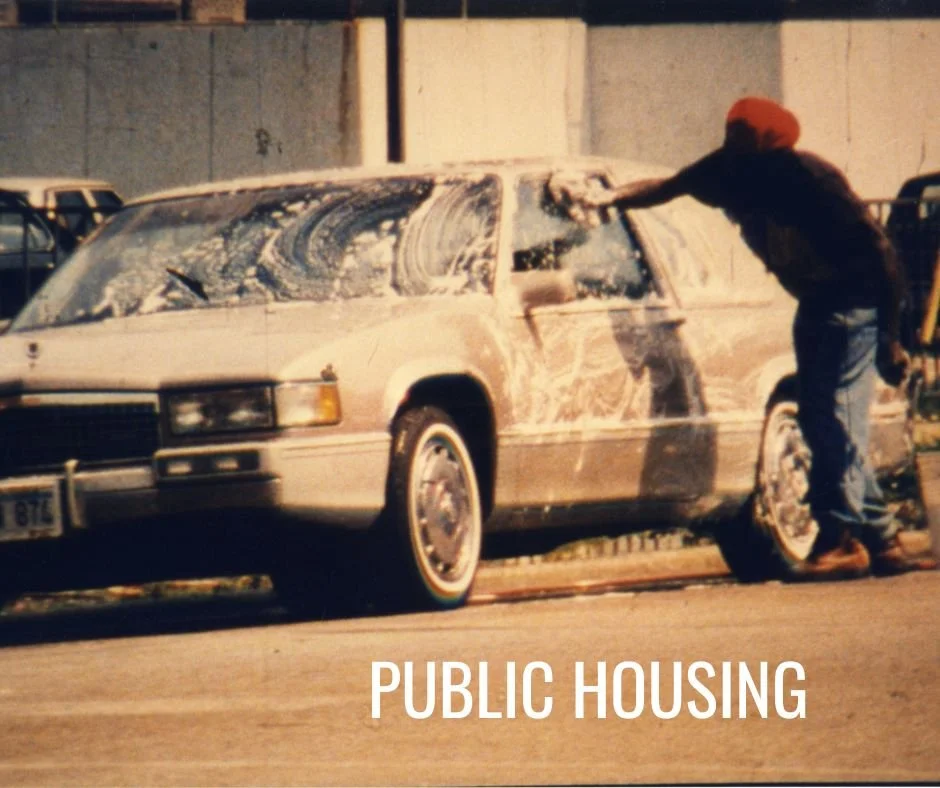
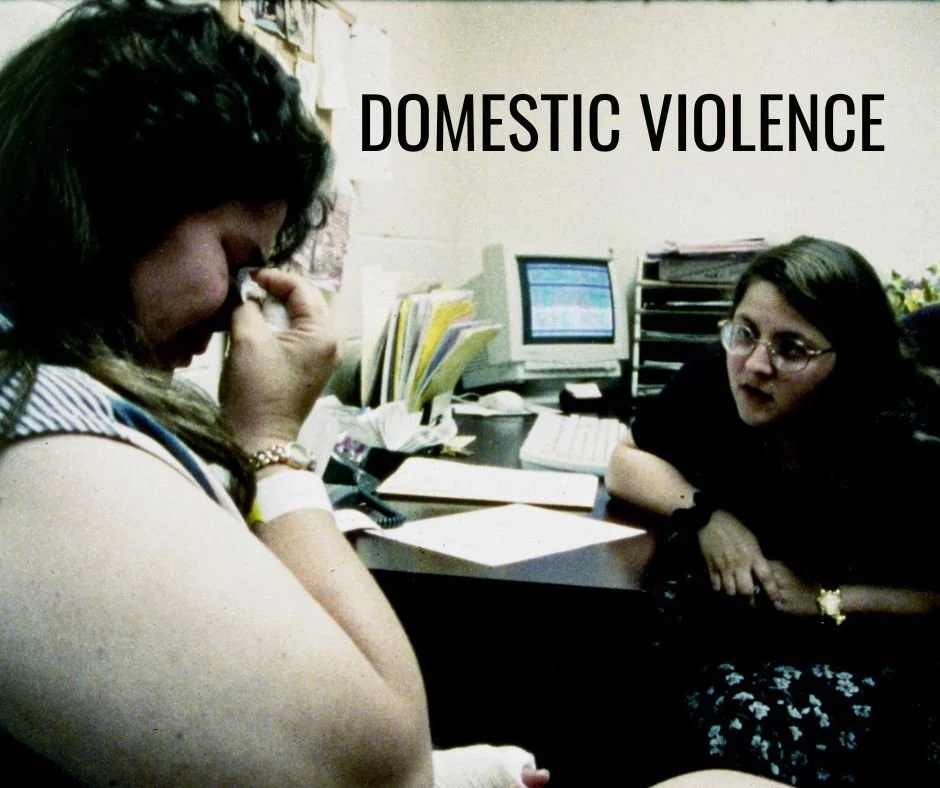
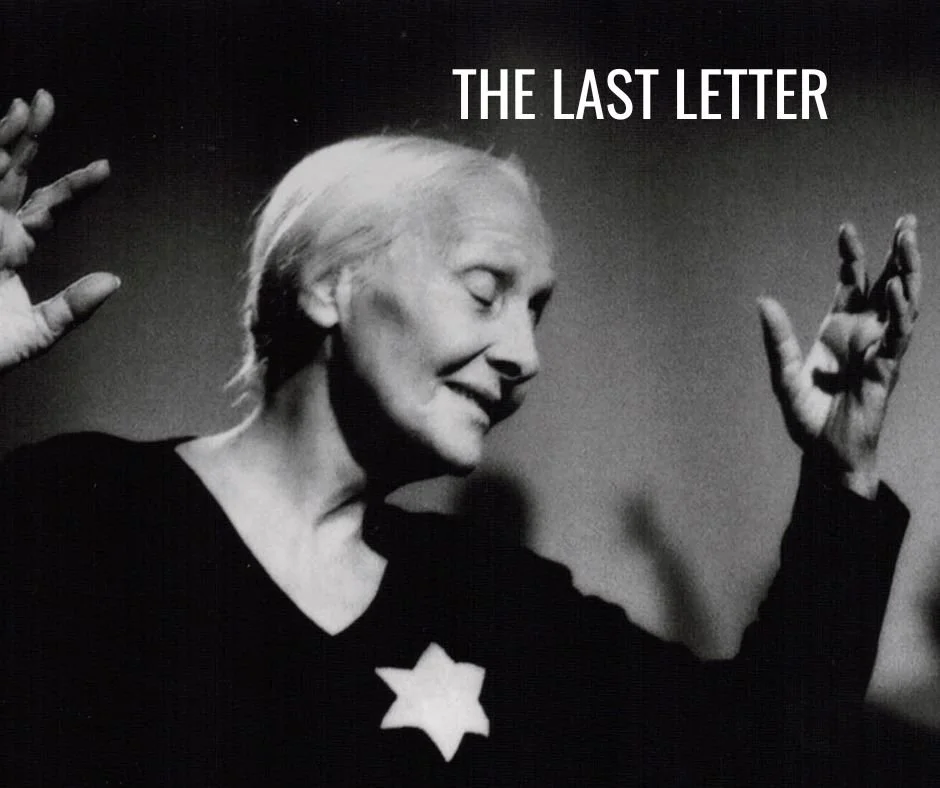
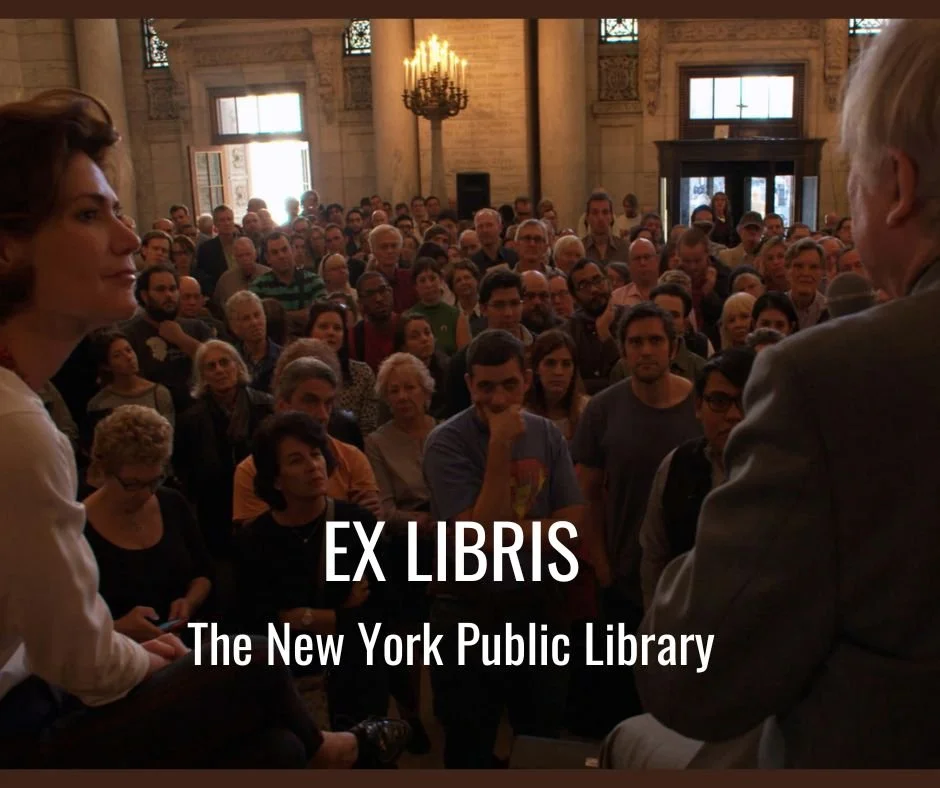
Award winning films by Frederick Wiseman
"Frederick Wiseman is probably the most sophisticated intelligence to enter the documentary field in recent years." -Pauline Kael, The New Yorker
/
"He’s arguably the most brilliant, brave and innovative person working in his field." -Terry Atkinson, Los Angeles Times
/
"No contemporary maker of films, whether for theatrical release or for television, engages my emotions so fully or consistently as Frederick Wiseman." – Richard Schickel, Life
/
"It's no surprise that Wiseman's great films stand as such imposing touchstones. For anyone looking to make sense of modern-day America -- its human institutions and social constructs -- no other body of work comes close. -Dennis Lim, Los Angeles Times
/
"Mr. Wiseman is an artist.His shots are carefully composed and painstakingly edited into assemblages that reveal the layers and patterns of experience. His movies are not raw transcripts of reality, but artifacts and representations, at once abstract and laden with content. You can’t rush through them because the usual temporal maps – the ingrained ideas of structure and sequence that guide you through stories – are unavailable. You don’t know what will happen next, which means you have to give the totality of your eyes, ears and mind to what is happening right now." –A.O. Scott, The New York Time s
/
"Wiseman’s work is preoccupied with what one could call spirit. With an intensity usually found only in fiction, Wiseman examines the moral and spiritual life of an institution, revealing the way people are mauled, pounded into shape, ignored, or even ennobled by passing through or working in one of these places; that is, the way people react to authority." –David Denby, The New York Review
/
"Rigorously shot, impeccably edited and at times startling in their beauty, these films usher us into often otherwise anonymous spaces and lives, and help make the invisible visible." – Manohla Dargis, The New York Times
/
"For many, Frederick Wiseman has been, quite simply, the American documentary filmmaker. His work has offered an intimate, extracurricular history of his country by way of its institutions" -Kevin Jackson, The Independent
/
"...carefully constructed, each documentary is at once a collection of intimate vignettes, a detailed portrait of an institution, and a time-capsule record of human behavior, speech, and dress. Compassion, suffering, excitement, tedium, the eloquent, the ugly, and the ordinary all pass before Mr. Wiseman’s measured, humanist gaze." -Nicolas Rapold, The New York Sun
/
"Essential viewing. Frederick Wiseman is American cinema’s foremost sociological auteur. Even at the age of 90, Wiseman continues to churn out non-fiction gems like no other, and that definitely holds true with regards to his latest, CITY HALL… a sprawling panorama of government and community work… Proves a celebration of the power of storytelling to unite—and, also, a masterful example of it. –Nick Schager, Daily Beast
/
"Frederick Wiseman is probably the most sophisticated intelligence to enter the documentary field in recent years." -Pauline Kael, The New Yorker / "He’s arguably the most brilliant, brave and innovative person working in his field." -Terry Atkinson, Los Angeles Times / "No contemporary maker of films, whether for theatrical release or for television, engages my emotions so fully or consistently as Frederick Wiseman." – Richard Schickel, Life / "It's no surprise that Wiseman's great films stand as such imposing touchstones. For anyone looking to make sense of modern-day America -- its human institutions and social constructs -- no other body of work comes close. -Dennis Lim, Los Angeles Times / "Mr. Wiseman is an artist.His shots are carefully composed and painstakingly edited into assemblages that reveal the layers and patterns of experience. His movies are not raw transcripts of reality, but artifacts and representations, at once abstract and laden with content. You can’t rush through them because the usual temporal maps – the ingrained ideas of structure and sequence that guide you through stories – are unavailable. You don’t know what will happen next, which means you have to give the totality of your eyes, ears and mind to what is happening right now." –A.O. Scott, The New York Time s / "Wiseman’s work is preoccupied with what one could call spirit. With an intensity usually found only in fiction, Wiseman examines the moral and spiritual life of an institution, revealing the way people are mauled, pounded into shape, ignored, or even ennobled by passing through or working in one of these places; that is, the way people react to authority." –David Denby, The New York Review / "Rigorously shot, impeccably edited and at times startling in their beauty, these films usher us into often otherwise anonymous spaces and lives, and help make the invisible visible." – Manohla Dargis, The New York Times / "For many, Frederick Wiseman has been, quite simply, the American documentary filmmaker. His work has offered an intimate, extracurricular history of his country by way of its institutions" -Kevin Jackson, The Independent / "...carefully constructed, each documentary is at once a collection of intimate vignettes, a detailed portrait of an institution, and a time-capsule record of human behavior, speech, and dress. Compassion, suffering, excitement, tedium, the eloquent, the ugly, and the ordinary all pass before Mr. Wiseman’s measured, humanist gaze." -Nicolas Rapold, The New York Sun / "Essential viewing. Frederick Wiseman is American cinema’s foremost sociological auteur. Even at the age of 90, Wiseman continues to churn out non-fiction gems like no other, and that definitely holds true with regards to his latest, CITY HALL… a sprawling panorama of government and community work… Proves a celebration of the power of storytelling to unite—and, also, a masterful example of it. –Nick Schager, Daily Beast /